The Information Technology (IT) sector moves at a rapid pace. What worked five years ago to secure a steady promotion might not be enough today. With AI integration, evolving cloud infrastructures, and shifting business priorities, professionals are constantly seeking ways to achieve fast track career growth in IT.
Whether you are an entry-level software engineer, a mid-career professional aiming for a senior developer role, or someone eyeing a management position, accelerating your career requires a targeted strategy.
In this comprehensive guide, we will break down high-paying tech skills, fast-track promotion strategies, high-impact certifications, and proven methods to maximize your salary hikes during job switches.
Top High-Paying Tech Skills for Quick Promotion
To stand out in today’s market, mastering core programming is only the starting point. Companies value professionals who specialize in domain-specific, high-demand areas. Focusing on these skill sets can significantly compress your timeline to higher positions.
Generative AI and Machine Learning Skills
AI is transforming traditional software development. Understanding how to integrate large language models (LLMs), build automated AI pipelines, and implement machine learning frameworks makes you an invaluable asset. Search trends consistently show generative AI skills for software engineers as a leading factor in rapid salary jumps.
Cloud Computing Infrastructure
Modern enterprises rely heavily on multi-cloud environments. Gaining deep operational expertise in cloud platforms like AWS, Microsoft Azure, or Google Cloud Platform (GCP) opens doors to architecture and DevOps roles, which are among the highest paying IT jobs for fast career growth.
Cybersecurity & Zero-Trust Architecture
As systems become more complex, security vulnerabilities increase. Professionals with expertise in cloud security, ethical hacking, and threat mitigation enjoy high job security and fast-track advancement paths.
Fast Track Promotion Strategies for Software Engineers
Moving up the ladder requires more than just submitting clean code; it requires visibility, business alignment, and proactive career management.
       [ Core Technical Execution ]
                   │
                   ▼
       [ Cross-Functional Impact ]
                   │
                   ▼
      [ Leadership & Mentorship ]
                   │
                   ▼
   [ Fast Track Senior / Lead Role ]
Shift from Execution to Ownership
If you want to know how to switch from junior to senior developer quickly, start taking ownership of end-to-end deliverables. Senior engineers do not just complete tasks—they identify system bottlenecks, propose architecture improvements, and mentor junior colleagues.
Align Your Work with Business Outcomes
Understand how your features impact company revenue, user retention, or operational costs. When you demonstrate that your work directly drives business success, discussing fast track promotion software engineer paths with your manager becomes a data-driven conversation rather than a vague request.
Master Cross-Functional Communication
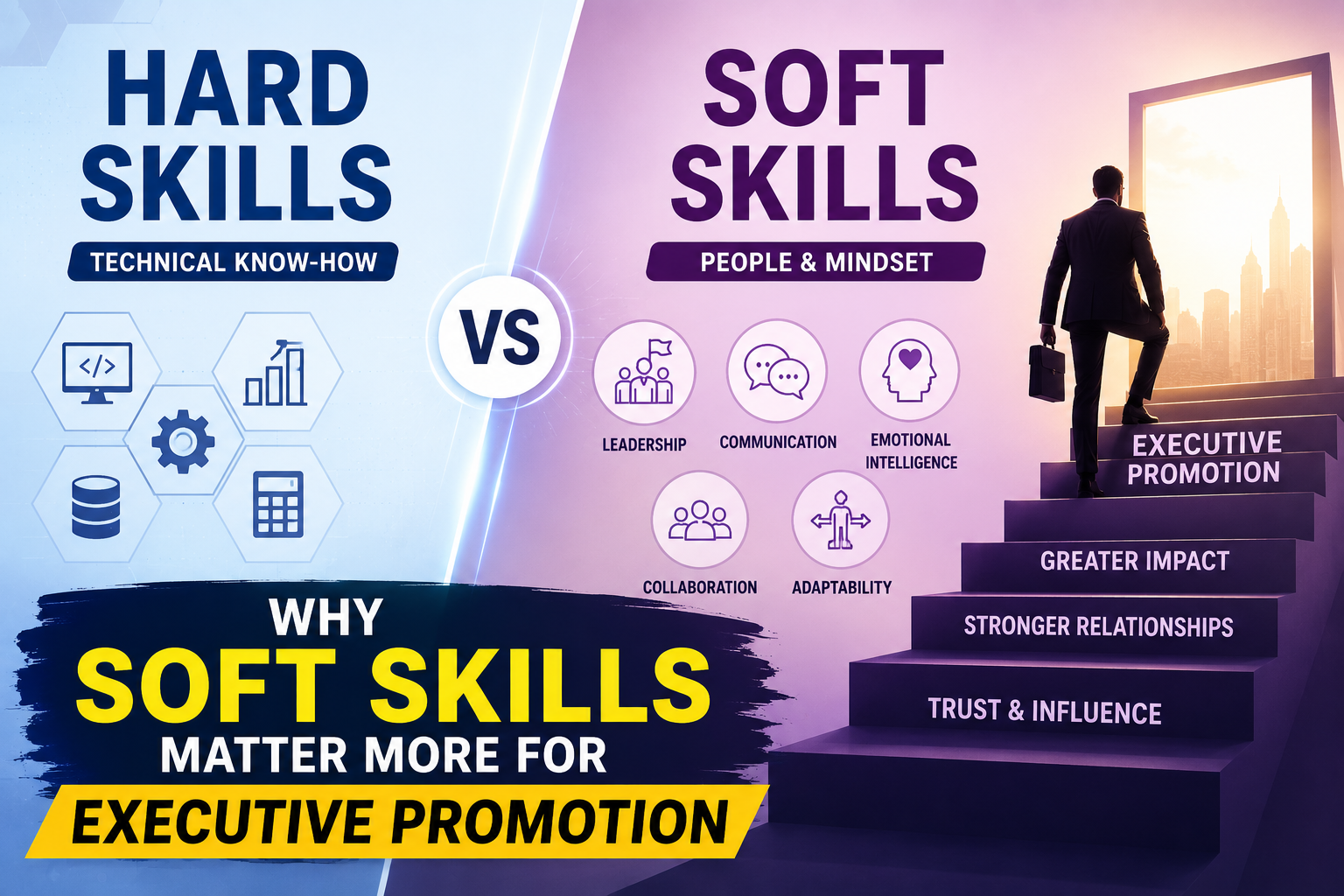
Technical excellence combined with clear communication is a rare and valued combination in tech. Being able to explain complex technical trade-offs to non-technical stakeholders positions you as a prime candidate for leadership roles.
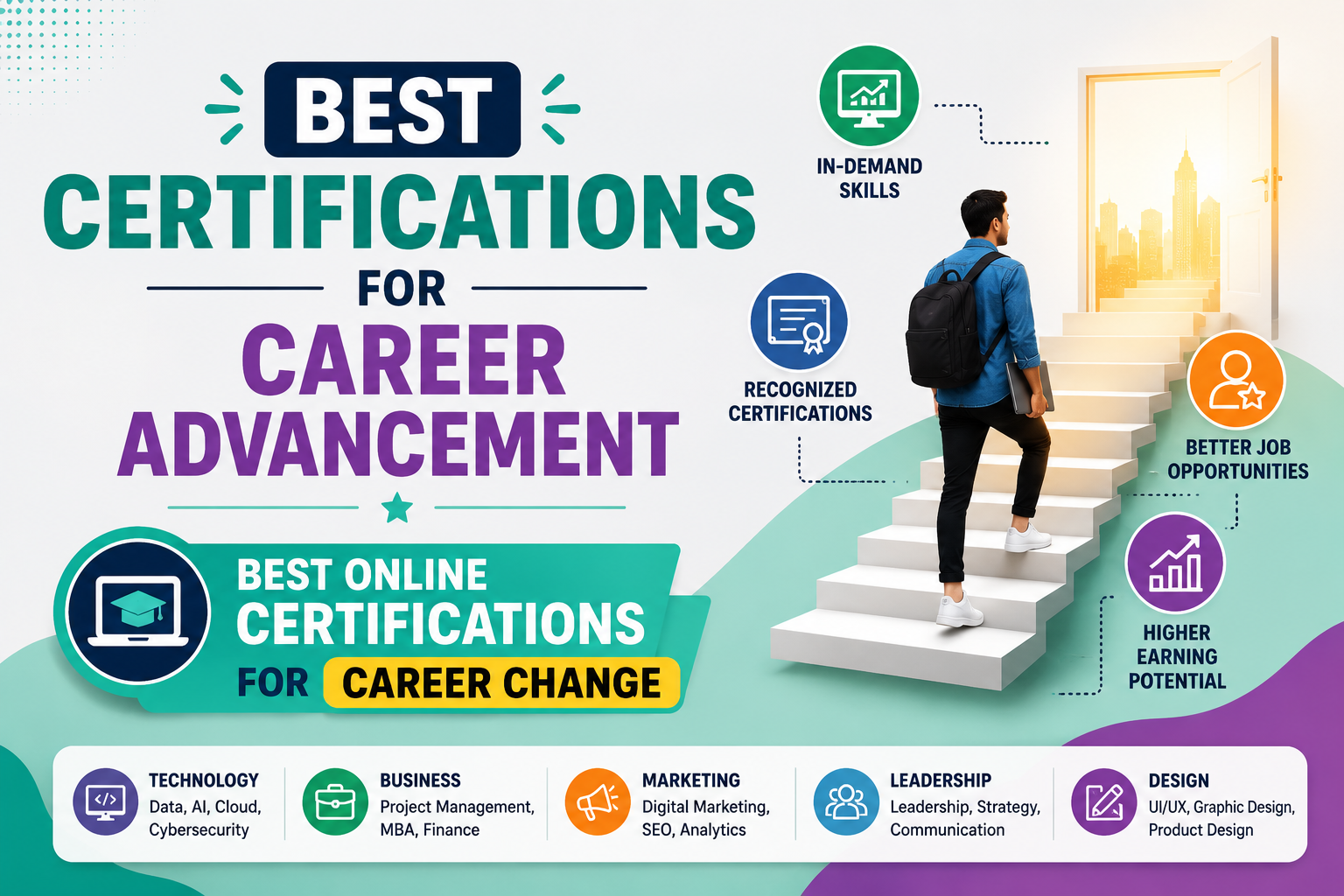
Best IT Certifications to Boost Your Salary
Industry-recognized certifications validate your expertise and can significantly shorten the screening process for promotions or new opportunities.
| Certification Name | Target Domain | Career Growth Impact |
| AWS Certified Solutions Architect | Cloud Architecture | High demand, ideal for architect transitions |
| Microsoft Certified: Azure Solutions Architect | Cloud Infrastructure | Unlocks enterprise-level cloud roles |
| Certified Information Systems Security Professional (CISSP) | Cybersecurity | Key for mid-to-senior security leadership |
| Certified ScrumMaster (CSM) | Agile Project Management | Facilitates transition into Scrum Lead / PM |
| Google Professional Machine Learning Engineer | AI & Data Science | Prepares engineers for high-paying AI roles |
Investing time in a structured AWS / Azure certification path for fast growth ensures that your resume reflects globally standardized expertise, giving you leverage during appraisal reviews.
How to Double Salary in IT via Strategic Job Switches
While internal promotions are valuable, strategic job switches often yield higher percentage salary increases. Applying effective negotiation and interview preparation tactics allows you to maximize your market value.
Crack Product-Based Company Interviews
To transition into high-paying firms, focus on core computer science fundamentals:
-
Data Structures & Algorithms (DSA): Essential for passing initial technical screens.
-
System Design (Low-Level & High-Level): Crucial for mid and senior-level software roles.
-
Behavioral & Leadership Principles: Often the deciding factor between two equally qualified technical candidates.
Managing Notice Periods and Negotiation
When targeting a significant salary increase, prepare thoroughly for compensation negotiations:
-
Research compensation benchmarks using realistic salary data tools for your region and role.
-
Highlight specialized domain skills rather than generic job responsibilities.
-
Manage notice period timelines efficiently to sync multiple interview processes, creating strong negotiation leverage.
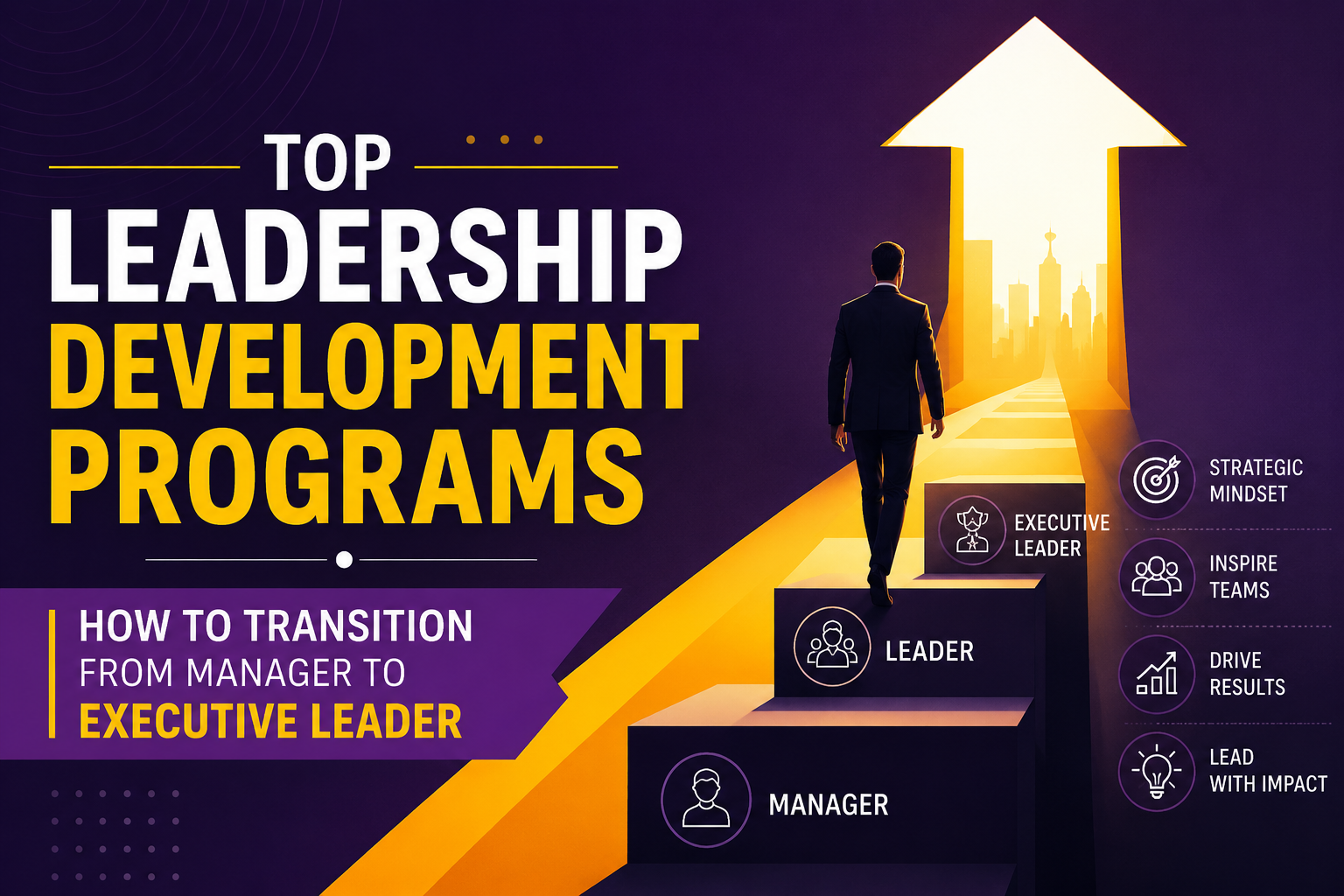
Transitioning from Developer to Leadership Roles
For many professionals, long-term career growth strategies for IT professionals involve moving from individual contributor (IC) tracks to managerial paths.
Individual Contributor (IC) vs. Engineering Manager Path
-
Staff / Principal Engineer: Focuses on deep technical architecture, system scalability, and technical strategy across multiple teams.
-
Engineering Manager: Focuses on team leadership, resource allocation, hiring, professional development, and project delivery.
If your goal is an IC to Manager transition in tech, begin by organizing sprint planning, taking ownership of team delivery metrics, and guiding junior developers. Demonstrating team management capabilities before officially applying for the role simplifies the selection process.
Resources & Actionable Links
Below are essential learning and career planning pathways to support your professional growth:
| Resource Category | Recommended Focus Area | Primary Benefit |
| System Design Preparation | Distributed Systems & Microservices | Essential for Senior & Lead Interviews |
| Cloud Skill Platforms | Hands-on Labs (AWS / Azure / GCP) | Builds practical engineering experience |
| Algorithms & Coding | Problem Solving & Pattern Recognition | Fast-tracks technical screening rounds |
| Agile & Scrum Guidelines | Sprint Facilitation & Project Metrics | Prepares developers for Tech Lead roles |
Frequently Asked Questions (FAQs)
Q1: Is it possible to double your salary in IT within 2 years?
Yes. Achieving a major salary increase typically involves combining a high-demand skill set (such as Cloud, AI, or Cybersecurity) with a strategic job switch, or securing an internal promotion to a senior technical role.
Q2: Which certifications offer the fastest return on investment in tech?
Cloud certifications (such as AWS Solutions Architect or Azure Engineer) and security certifications (such as CISSP or Security+) consistently offer strong industry demand and clear progression pathways.
Q3: How do I move from a junior developer to a senior developer fast?
Focus on system design fundamentals, take complete ownership of complex project modules, mentor junior team members, and ensure your work aligns directly with business metrics.
Q4: Should I choose the Engineering Manager path or stay on the technical IC track?
Choose the managerial path if you enjoy team building, project execution, and cross-functional leadership. Opt for the individual contributor (IC) track (Staff/Principal Engineer) if you prefer deep technical problem-solving and architectural design.