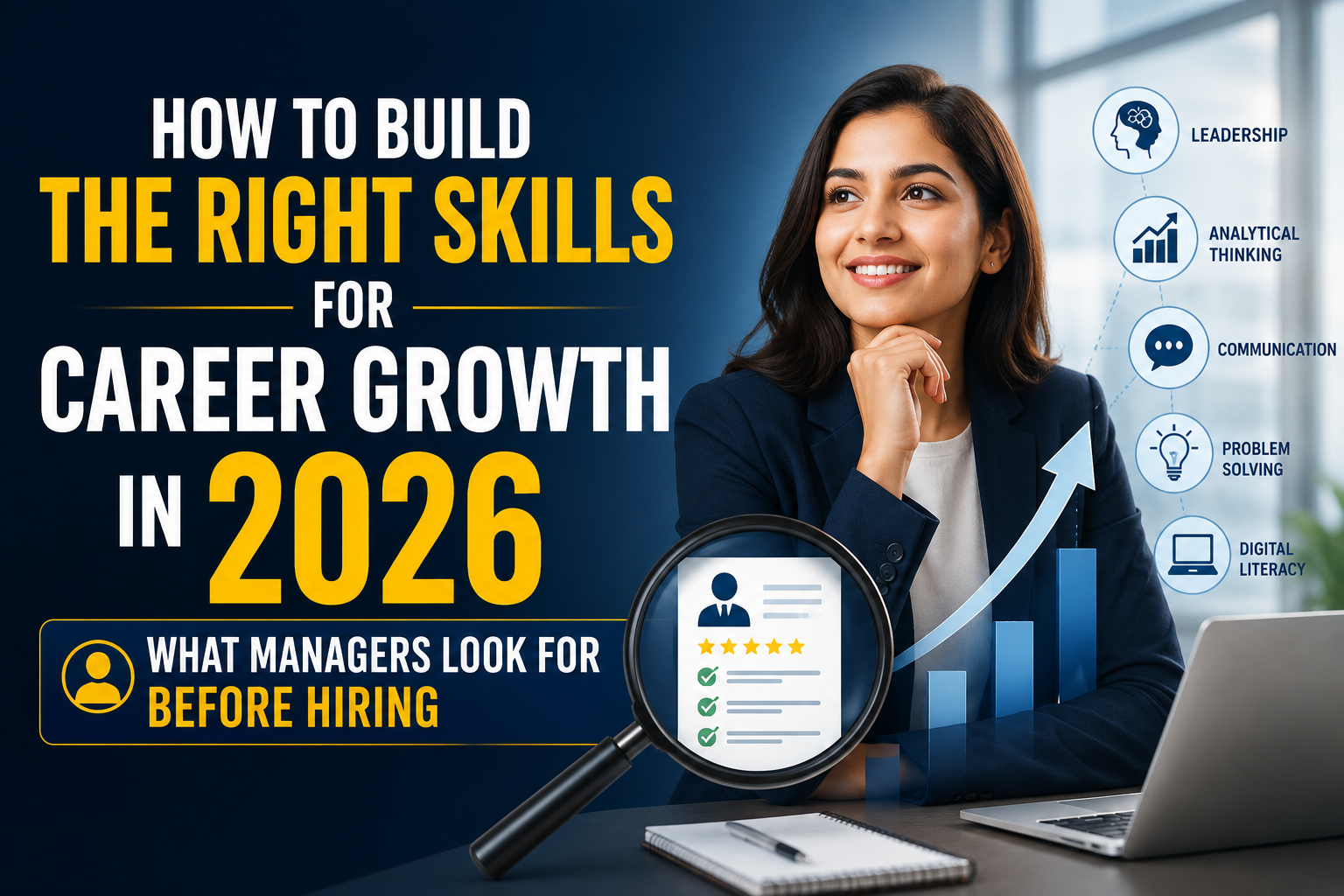
The modern workplace is evolving at a breakneck pace. With the rapid integration of artificial intelligence, shifting economic landscapes, and the rise of hybrid work cultures, relying on the degree you earned years ago is no longer enough. To secure your position and climb the corporate ladder, actively identifying and developing skills for career growth is essential.
Whether you are looking for a salary appraisal, preparing for a vertical promotion, or planning a complete career pivot, staying relevant requires a strategic approach to professional development. This guide breaks down the most valuable skills to learn, how to master them, and how to project them effectively to future-proof your career.
The Changing Paradigm of Career Development Skills
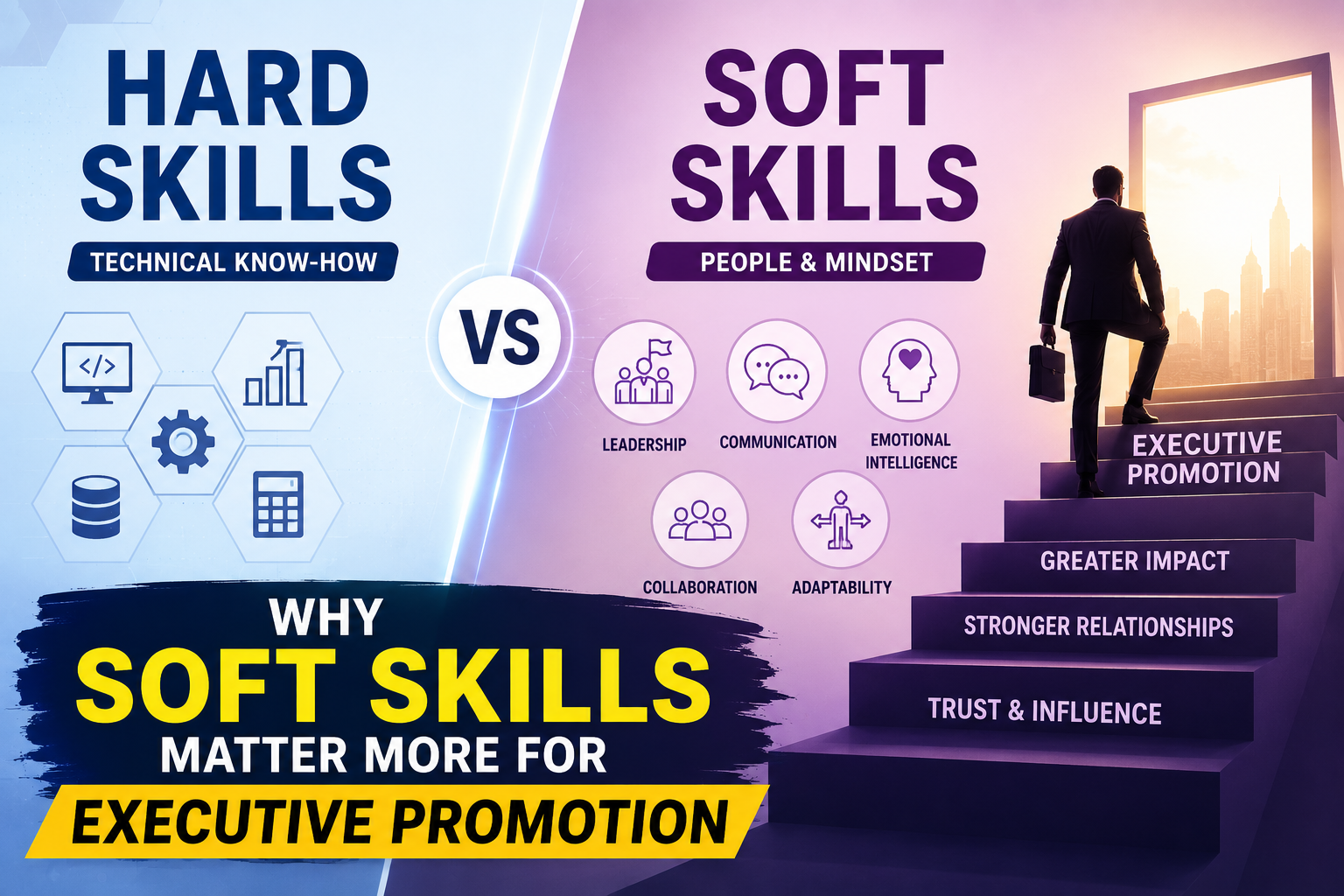
A few years ago, technical expertise (hard skills) was the sole driver of career progression. Today, employers look for a holistic blend of technical capability and emotional resilience. True career development skills are split into two major categories: hard skills that get you through the door, and soft skills that get you promoted.
Investing time in upskilling for career change or advancement isn’t just about adding lines to your resume; it’s about expanding your professional problem-solving capacity. According to recent global workplace surveys, companies are prioritizing agility, data literacy, and collaborative leadership over rigid, single-domain expertise.
High-Demand Tech & Digital Skills (Hard Skills)
You do not need to be a software engineer to benefit from technical upskilling. Every industry, from marketing to human resources and administrative management, is becoming data-driven.
AI Literacy and Prompt Engineering
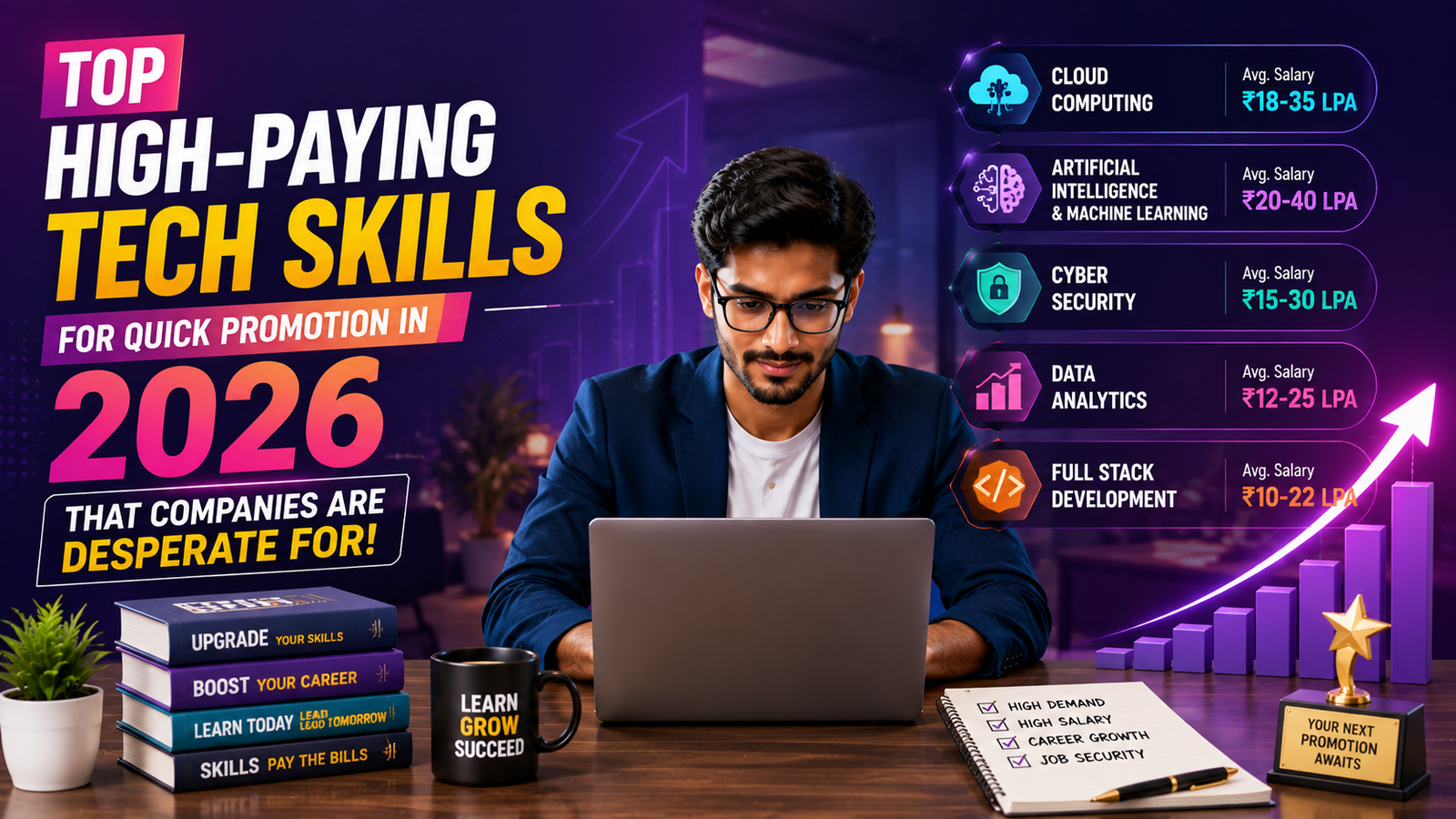
Artificial Intelligence is no longer a futuristic concept—it is a daily workplace tool. Developing AI literacy and prompt engineering capabilities allows professionals to automate administrative tasks, conduct rapid research, and generate drafts efficiently. Understanding how to interact with AI tools effectively is rapidly becoming a fundamental baseline requirement across all corporate sectors.
Digital Marketing and SEO
Knowing how to position a product, service, or brand online is a highly scalable skill. Digital marketing and SEO (Search Engine Optimization) fundamentals help professionals understand consumer behavior, search intent, and online visibility. Even outside core marketing roles, understanding organic search algorithms is invaluable for content creators, managers, and entrepreneurs.
Data Analysis Skills for Business
Numbers drive corporate investments and strategy. Acquiring data analysis skills for business enables you to translate raw numbers into actionable growth plans. Mastering basic data visualization tools, advanced Excel, or beginner-level SQL ensures that your arguments in meetings are supported by empirical data rather than simple intuition.
Leadership & Management Skills for Promotions
As you transition from an individual contributor to a management role, your technical responsibilities naturally decrease while your people management responsibilities increase. To secure senior roles, you must consciously cultivate leadership development skills.
Strategic Thinking Skills
Senior executives do not just execute tasks; they look at the big picture. Strategic thinking skills involve understanding how your department’s goals align with the broader company objectives, anticipating market changes, and planning operations months in advance.
Project Management and Team Collaboration
Managing timelines, budgets, and cross-functional teams requires clear structure. Developing project management skills ensures that projects are delivered on time without burning out team resources. This pairs directly with team management and collaboration, which focuses on building trust, setting clear KPIs (Key Performance Indicators), and maximizing collective output.
Conflict Resolution in the Workplace
Whenever diverse minds work together, friction is inevitable. True professional growth depends on your capacity for conflict resolution in the workplace. The ability to mediate disputes objectively, address performance bottlenecks, and maintain team morale during tight deadlines is a major indicator of executive readiness.
The Power of Soft Skills & Emotional Intelligence
Hard skills might get your resume noticed, but soft skills are what keep you moving upward. The most successful professionals possess high levels of interpersonal awareness.
|               THE DUAL ENGINE OF CAREER GROWTH                    |
+-------------------------------------------------------------------+
|  HARD SKILLS (The Foundation)    |  SOFT SKILLS (The Accelerator) |
|  - AI & Automation Literacy      |  - Emotional Intelligence (EQ) |
|  - Data Analysis & SEO           |  - Critical Thinking           |
|  - Project Management            |  - Active Conflict Resolution  |
Emotional Intelligence (EQ) at Work
High emotional intelligence (EQ) at work means understanding your own emotions, managing stress, and empathizing with your colleagues. Professionals with high EQ handle constructive criticism effectively, navigate office politics with dignity, and build stronger internal networks.
Effective Workplace Communication
Clear communication eliminates redundant work. Effective workplace communication spans writing clear emails, presenting data confidently to stakeholders, and practicing active listening. If you can explain complex technical issues in simple terms, your value within the organization doubles.
Critical Thinking and Problem Solving
Employers value team members who bring solutions, not just problems. Critical thinking and problem solving involve analyzing a situation objectively, identifying the root cause of an issue, and presenting calculated options for resolution.
Most Valuable Skills to Learn for a Standout Resume
If you are currently auditing your resume to prepare for job applications, focusing on highly searchable, high-impact terms will help you pass through ATS (Applicant Tracking Systems) filters. Ensure your resume prominently features these core top professional skills for resume enhancement:
-
Adaptability and resilience skills: The ability to pivot quickly when company strategies change.
-
Time management and productivity hacks: Utilizing tools like time-blocking, Trello, or Asana to manage workflows efficiently.
-
Negotiation skills for salary appraisal: Articulating your value quantitatively during annual reviews to secure optimal compensation.
Important Professional Development Resources
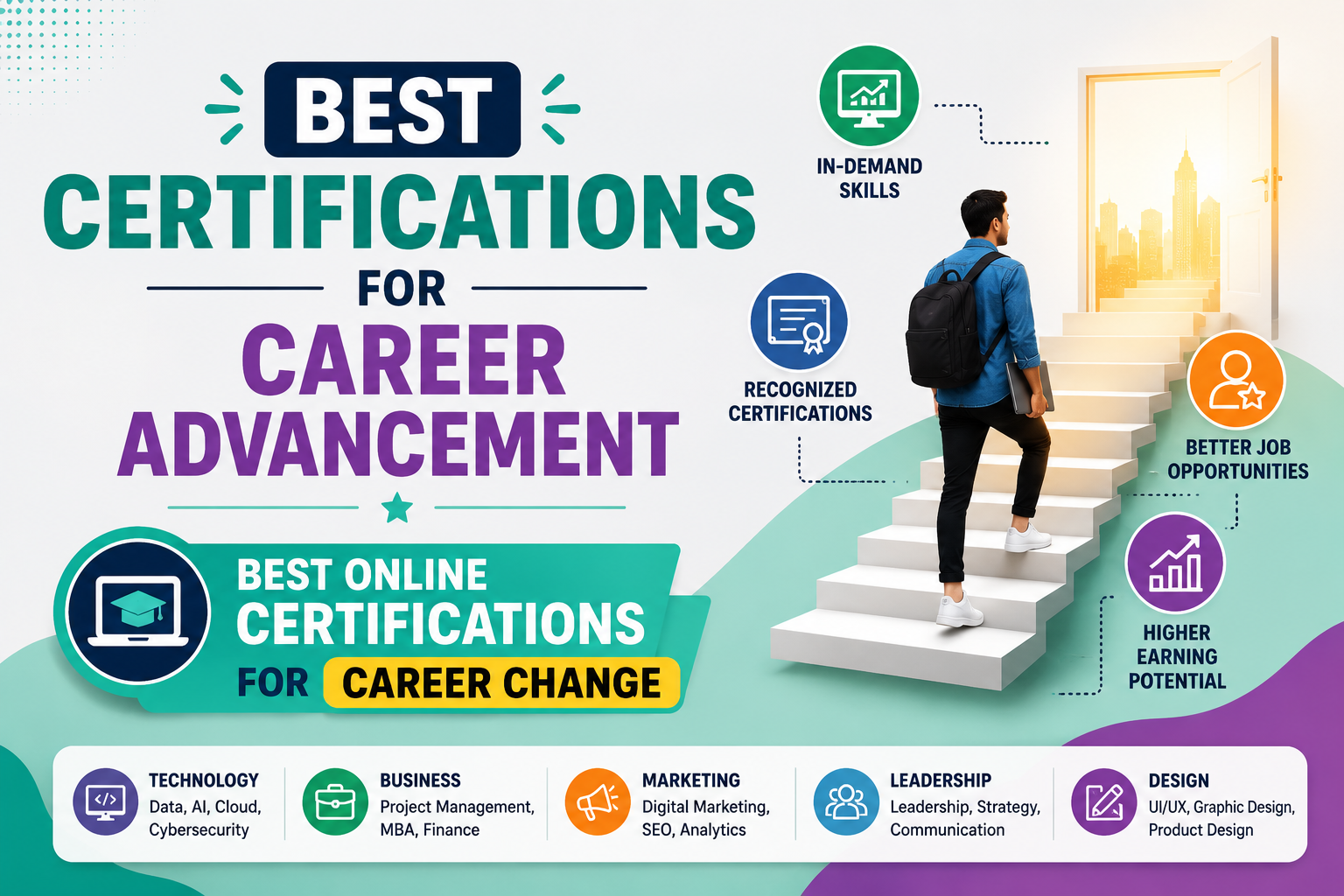
To fast-track your journey, utilize high-authority platforms to access free certifications for career growth and structural training modules.
Actionable Blueprint: How to Improve Skills to Learn for Career Advancement
-
Identify Your Skill Gaps: Look at the job descriptions of roles two levels above your current position. Note down the repeated software requirements, management methodologies, or certifications mentioned.
-
Set Clear Professional Development Goals Examples: Instead of a vague goal like “I want to learn data analytics,” set a specific target: “I will complete a Google Data Analytics certification and learn basic SQL queries by the end of Q3.”
-
Apply Micro-Learning Techniques: Spend 20 to 30 minutes every morning learning a new tool or reading industry updates before your operational workday begins.
-
Seek Stretch Assignments: Volunteer for internal cross-departmental projects where you can practice how to improve communication skills at work and display your readiness for leadership.
Frequently Asked Questions (FAQ)
What are the most in-demand skills for 2026?
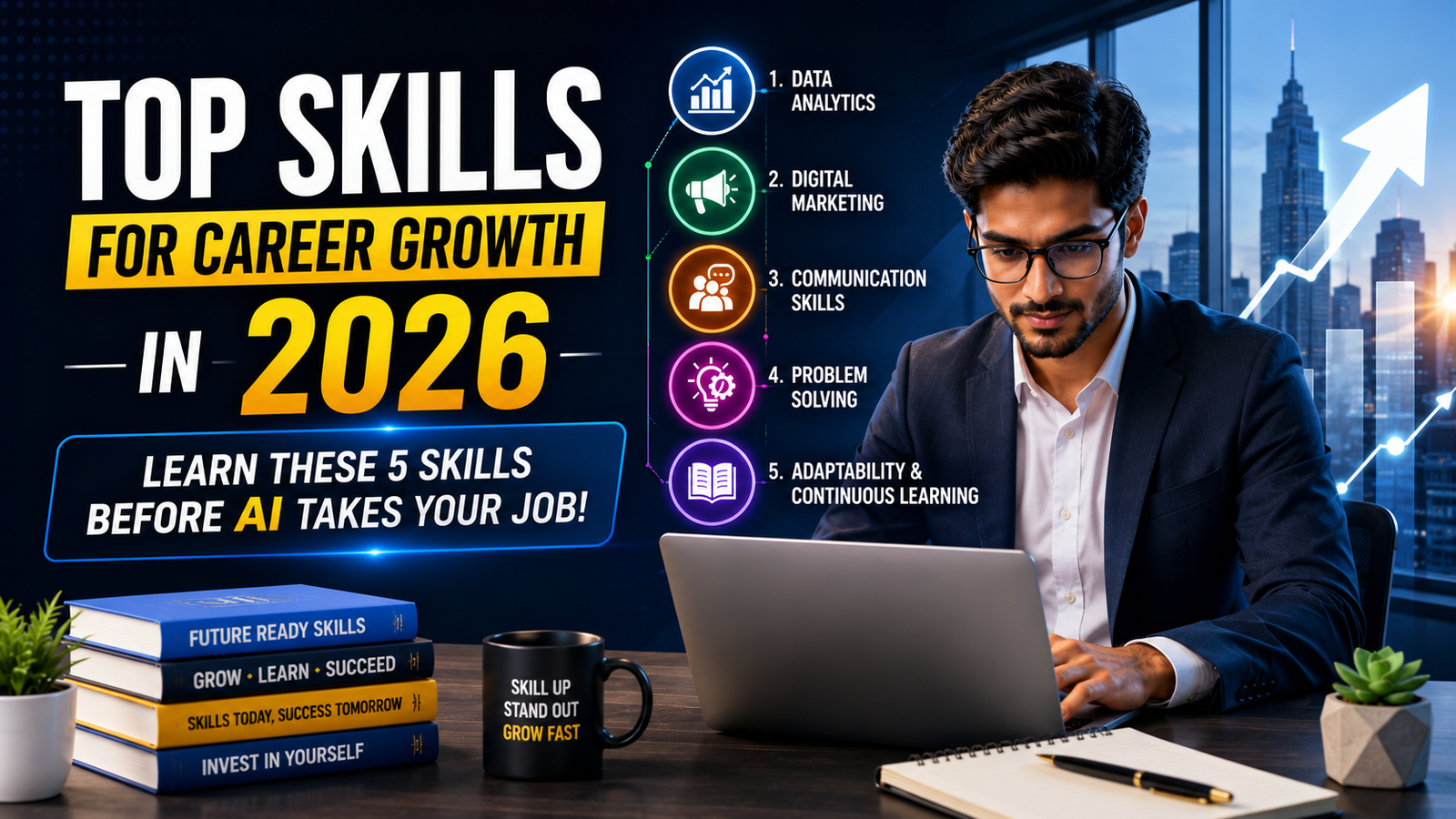
The most in-demand skills focus heavily on human-AI collaboration. This includes AI literacy and prompt engineering, data analysis skills for business, and highly human-centric soft skills like emotional intelligence (EQ) at work and complex problem-solving.
How can I find free certifications for career growth?
Platforms like Google Digital Garage, Coursera (via financial aid), Harvard Online, and LinkedIn Learning offer various free foundational courses. Completing these helps validate your expertise to potential hiring managers.
Why are soft skills considered crucial skills for career growth?
While technical skills are necessary to perform specific tasks, soft skills like conflict resolution, strategic thinking, and effective workplace communication determine how well you work within an organizational hierarchy and manage human capital.
How do I naturally highlight top professional skills for a resume?
Instead of simply listing skills in a bulleted section, weave them into your professional experience using action verbs and data. For example: “Utilized project management skills to lead a team of five, improving campaign delivery times by 20%.”